En el Llevant, el noreste de Mallorca, Artà es un pueblo de interior de carácter tradicional —calles rectas y casas de piedra dorada— coronado por un santuario-fortaleza en lo alto. Es de los rincones más auténticos y menos turísticos de la isla, y la puerta a las playas vírgenes del Llevant.
The map
Tap a point for details
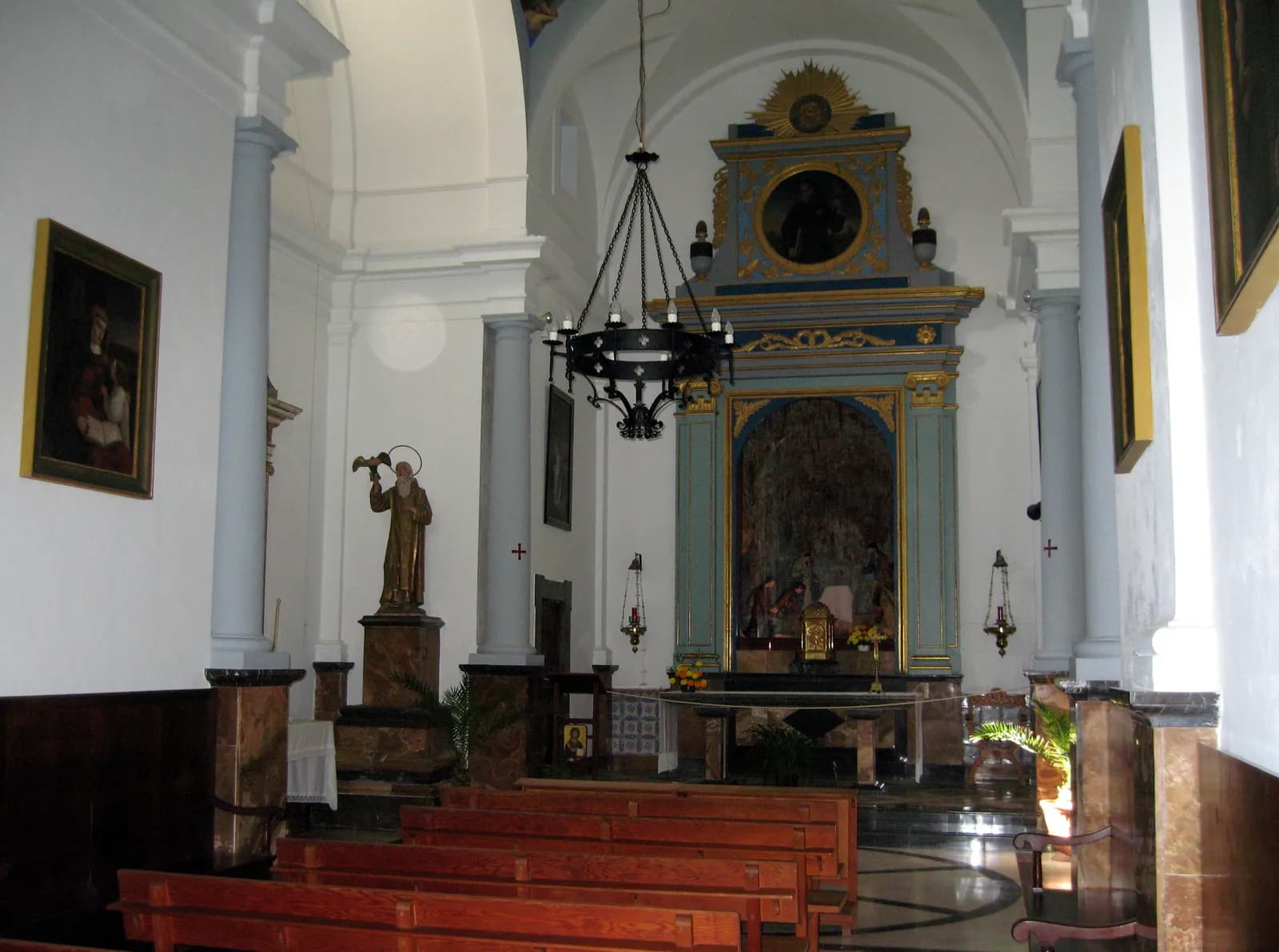
Todo en Artà mira hacia arriba, al Santuari de Sant Salvador: un conjunto del siglo XIV rodeado por una muralla de fortaleza con nueve torres, al que se sube por la Costa de Sant Salvador, una escalinata arbolada de unos 180 peldaños que arranca del centro. Desde lo alto, las vistas abarcan el pueblo y toda la costa del Llevant. Es la estampa que define Artà y el mejor sitio para empezar la visita.
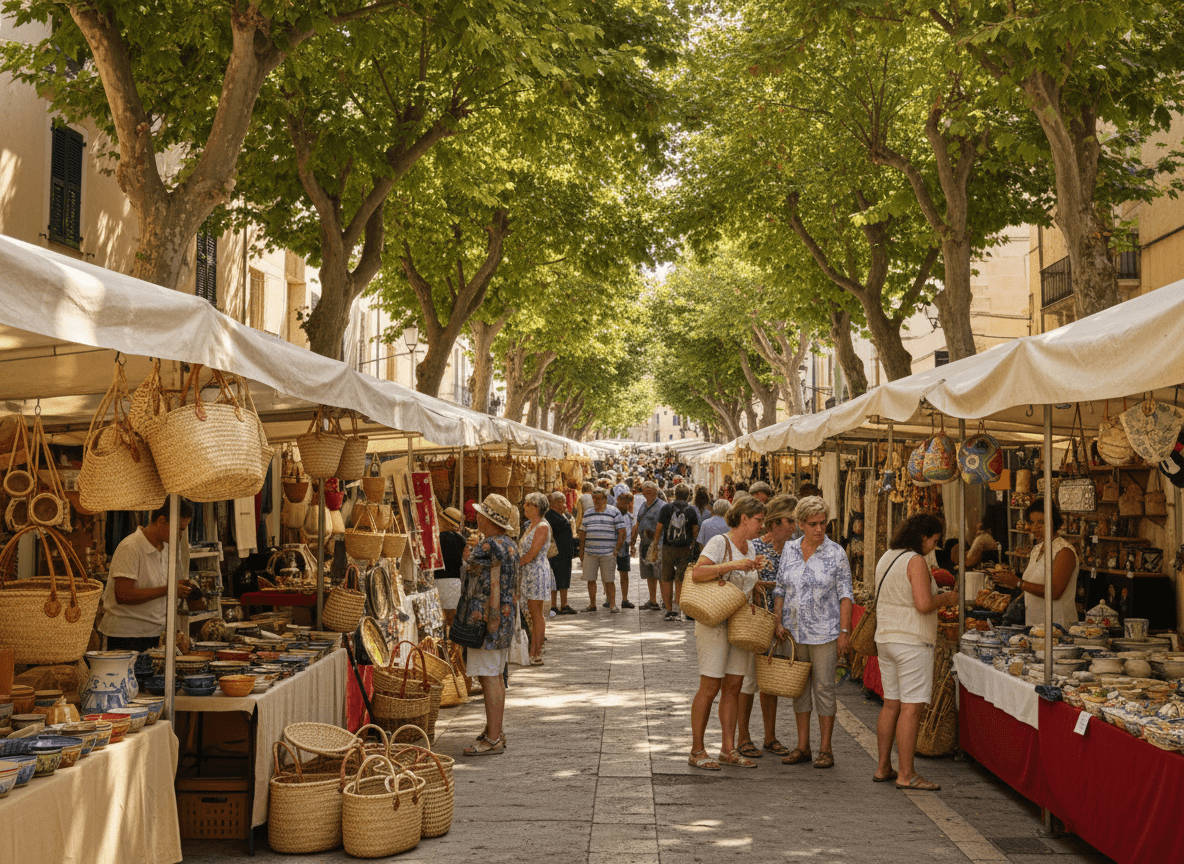
Pero la historia de Artà es mucho más antigua. A las afueras, Ses Païsses es uno de los poblados talayóticos mejor conservados de las Baleares: un yacimiento de la Edad del Bronce y del Hierro (hacia el 850 a.C.) con su talayot central, sus casas y una muralla ciclópea cuyo portal monumental está formado por losas de hasta ocho toneladas. Los martes por la mañana, el mercado semanal llena el Carrer Ciutat y la Plaça del Conqueridor, con un rincón de artesanía —cerámica y cestería— en los jardines de Na Batlessa. Y cerca de la costa, en Canyamel, esperan las Coves d'Artà, unas cuevas espectaculares excavadas en el acantilado.
En lo tradicional, Artà mantiene viva la llatra, la artesanía de trenzado con hojas de palmito. Y su calendario tiene dos grandes citas: les Festes de Sant Antoni, el 16 y 17 de enero, una de las celebraciones más famosas de la isla, con els dimonis recorriendo el pueblo entre antorchas y correfocs y la bendición de los animales; y les Festes de Sant Salvador, la fiesta patronal de principios de agosto, también con dimonis. Para llegar, lo más cómodo es el coche (imprescindible para Ses Païsses y la costa), aunque el bus 411 del TIB une Palma con Artà y Cala Rajada. Ven un martes por la mañana para el mercado y sube a pie a Sant Salvador.