For Creators
Download on theApp StoreGet it onGoogle Play
Village guide · Serra de Tramuntana
Robert Graves' bohemian village between mountain and sea: Son Marroig and its marble temple, the pebble cove, the music festival and the catch of the day.
Clinging to the Tramuntana slopes between Valldemossa and Sóller, Deià is the small, exclusive artists' and writers' village that has drawn bohemians since the 19th century. Its identity is bound up with the poet Robert Graves and a landscape where the mountains fall to the sea.
Tap a point for details
Deià earned its fame through artists. Since the 19th century, painters, musicians and writers climbed to this stone village hanging above the sea, but it was the poet and novelist Robert Graves — author of "I, Claudius" — who turned it into a legend. His house, Ca N'Alluny, is now a museum preserving his study, library and manuscripts; Graves is buried in the village's small cemetery. Wandering its steep alleys at dusk, when the light turns golden, is still the plan.
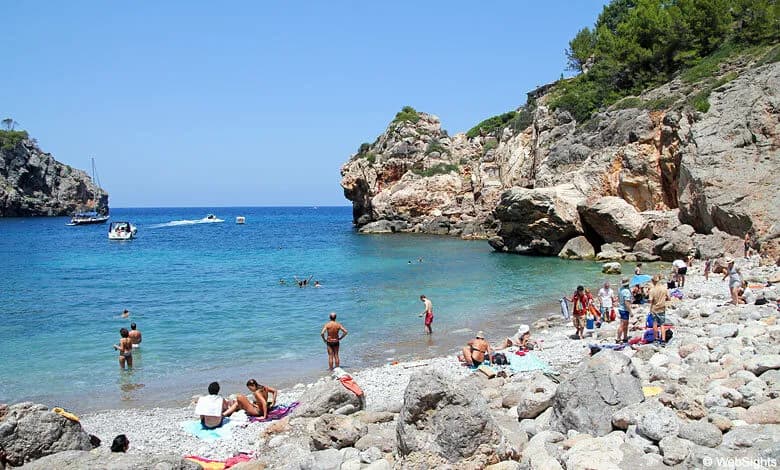
On the edge of the village, the Son Marroig estate — bought by Archduke Ludwig Salvator of Austria in 1870 — crowns a headland with its white marble temple looking out over Sa Foradada, the pierced rock that juts into the sea. Since 1978, the Deià International Music Festival has staged chamber concerts here, from solo pianists to small orchestras, with the Mediterranean as a backdrop. And down a footpath waits Cala Deià: a small pebble cove of turquoise water, with a jetty and a couple of legendary cliffside restaurants.
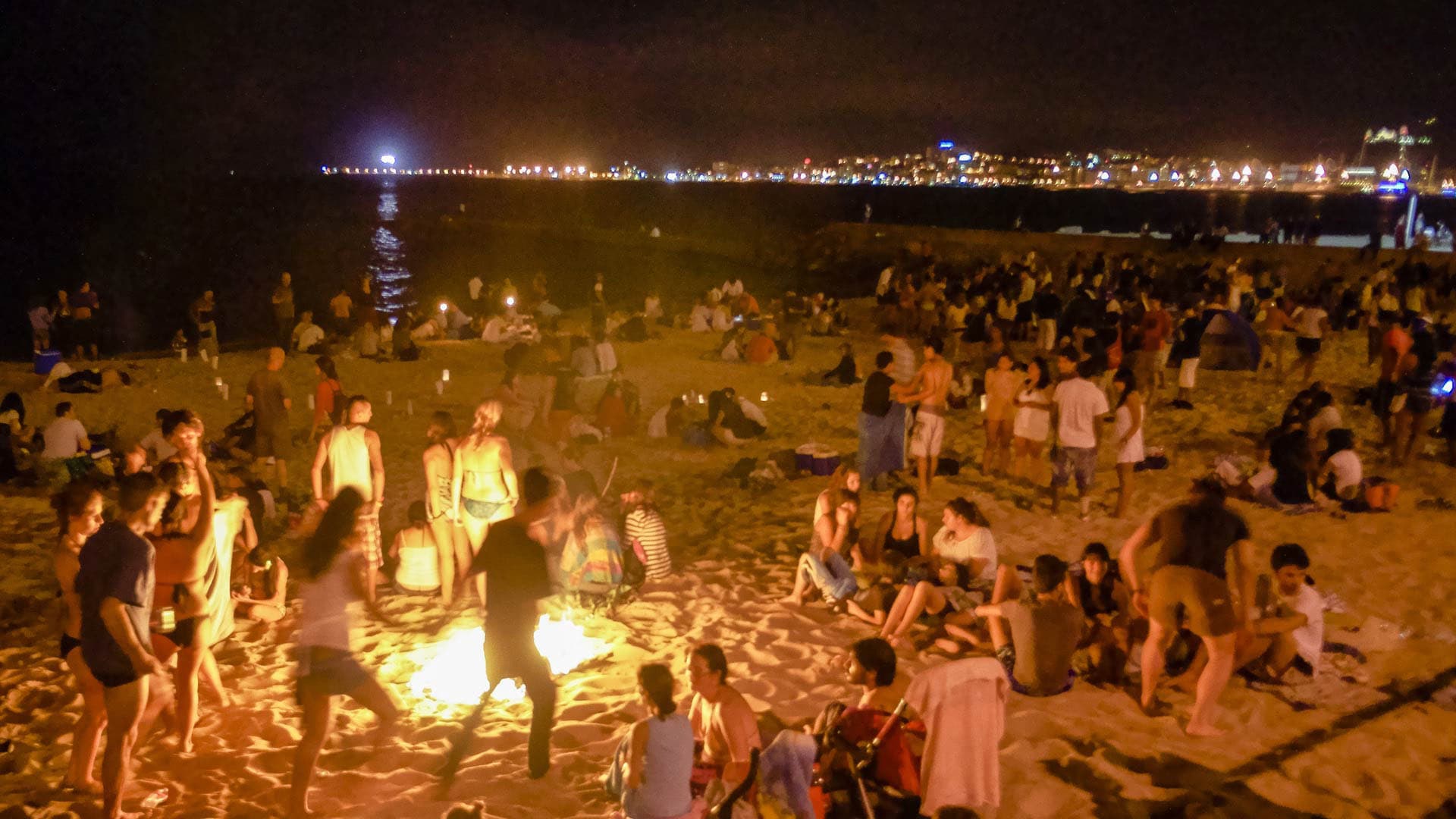
At the table, Deià eats facing the sea: the catch of the day, just landed, is the speciality of Ca's Patró March, the cliffside restaurant at Cala Deià made famous by the BBC series "The Night Manager." In late June, the Festes de Sant Joan bring music and revelry to the village. A practical warning: parking is scarce and regulated (blue-line), and the cove's car park is tiny with a narrow access road — better to leave the car in the village and walk down (about 30 minutes on the signposted path). From Palma it's roughly 45–50 minutes on the Ma-1110 and Ma-10, or the TIB line 203 in a little under an hour.